
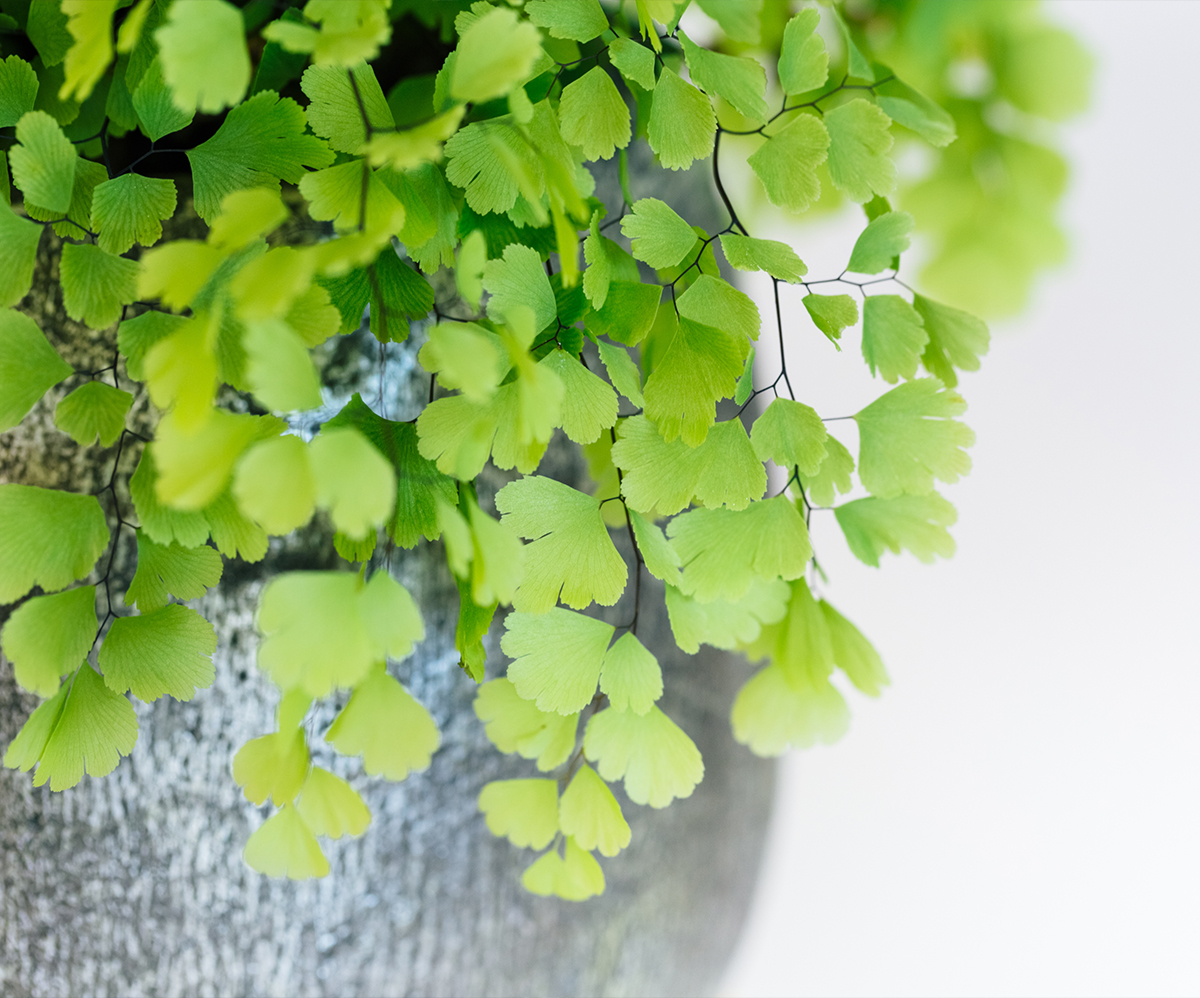
Here are some native plants that are both beautiful and easy to care for, plus a few tips to keep them happy through the colder months.
READ MORE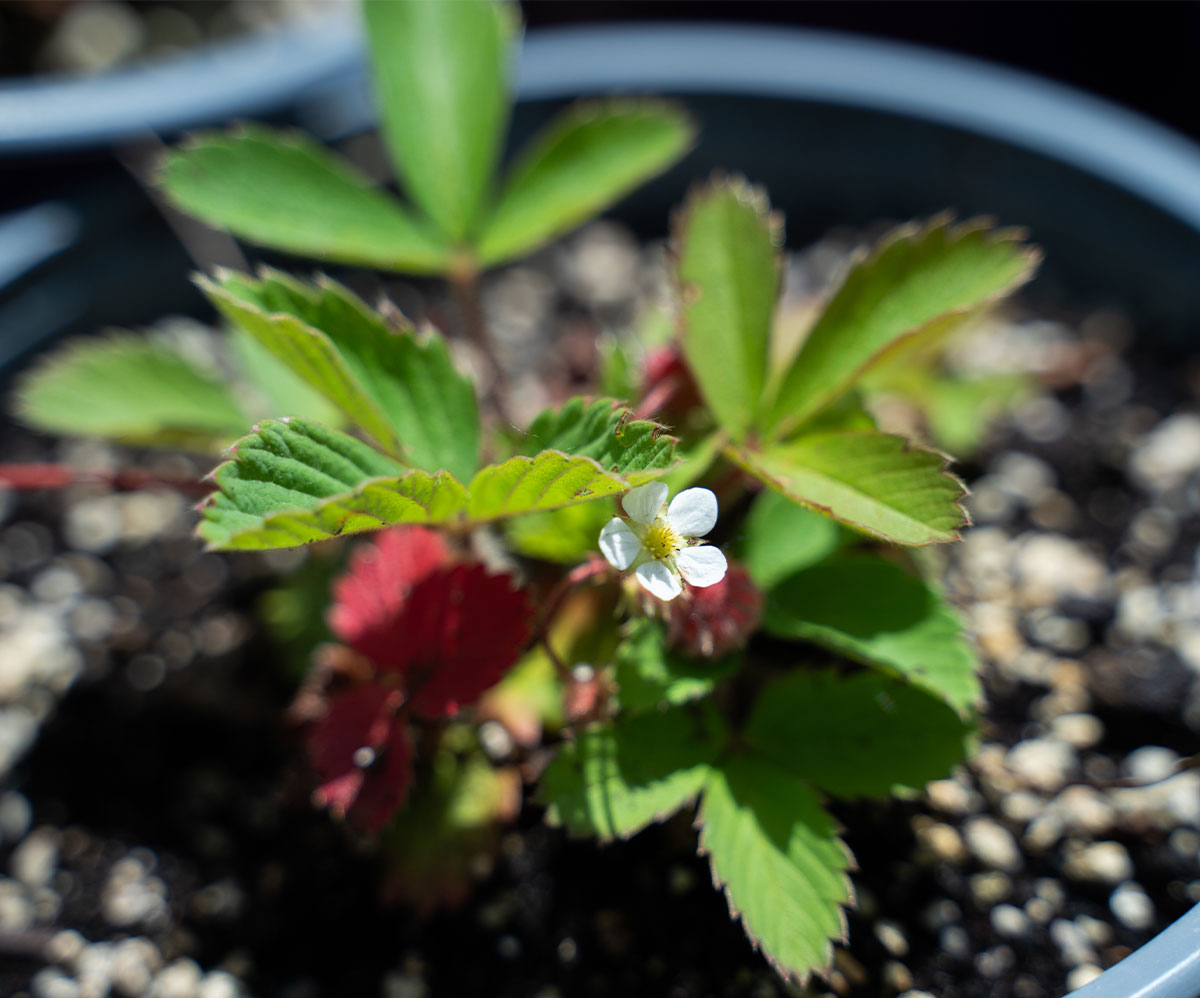
Spring is a season of return. The birds are back, the soil is softening, and the land is waking up. It’s also the perfect time to get your hands in the dirt and reconnect with the rhythms of the natural world…starting with what you plant.
READ MORE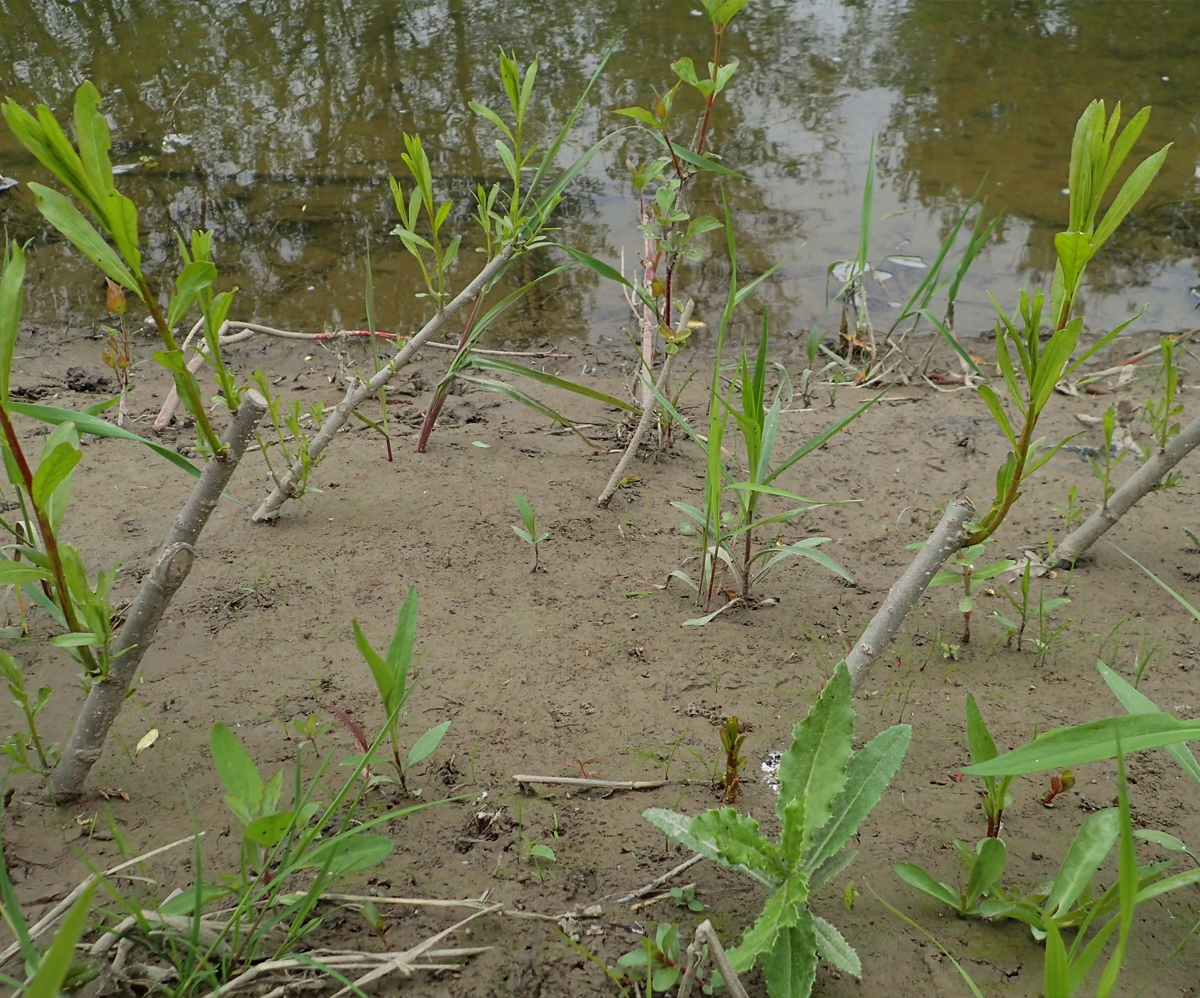
Nature has a remarkable way of healing itself, and sometimes, all it needs is a little nudge in the right direction. At Kayanase, we're passionate about giving our environment that helping hand, especially when it comes to preserving and restoring the health of our waterways. One of the most effective—and surprisingly simple—methods we use is called live staking. Whether you’re new to the term or already familiar, live staking is an incredible tool for stabilizing stream banks and reducing erosion. Here’s how it works and why it’s worth “rooting” for!
What Is Live Staking?
Live staking is a low-cost, natural method for restoring a vegetative buffer along a stream bank, which in turn helps reduce erosion. It involves planting dormant stem cuttings (known as live stakes) directly into the ground, where they can take root and grow into trees or shrubs. This method is commonly used in riparian (rivers and streams) and wetland restoration projects, helping to reintroduce native plants to areas that have been disturbed by agriculture, development, or natural events.
Simple, Sustainable, and Effective
One of the greatest things about live staking is how simple and sustainable it is. The cuttings, often harvested from native species like Willows (Salix) and Dogwoods (Cornus), can be collected from your own property or purchased from nurseries.
These stakes are collected during the dormant season before the trees and shrubs start to bud in the spring. Once planted, they establish a root network that helps to stabilize stream banks, reducing soil erosion and improving habitat for local wildlife. It’s a nature-friendly method that works in harmony with other revegetation techniques for even greater impact.
Why It Matters
Beyond being cost-effective, live staking brings a whole host of environmental benefits. By reintroducing native plant life along stream banks, it helps:
👉 Reduce soil erosion – The roots from the stakes hold the soil in place, preventing it from washing away during heavy rains or snowmelt.
👉 Improve water quality – With less sediment entering the stream, the water stays cleaner, which is better for both the ecosystem and any nearby communities relying on that water.
👉 Enhance wildlife habitat – Native trees and shrubs provide shelter and food for a variety of species, helping to restore balance to local ecosystems.
👉 Support sustainability – By using live stakes harvested locally and sustainably, you’re promoting biodiversity and contributing to long-term environmental health.
At Kayanase, live staking is an essential part of our restoration efforts, helping to stabilize stream banks and support the health of local ecosystems. What makes our approach special is that we harvest live stakes locally, with permission from property owners, ensuring that our work is both environmentally responsible and rooted in the community.
By following sustainable harvesting and planting practices, we help restore balance to the land and waterways. Live staking is a simple yet effective method for reducing soil erosion and creating habitats for wildlife, and we’re proud to be part of that restoration process.
Let’s “root” for a greener future together!
 sales@kayanase.ca


 (519)-770-0013